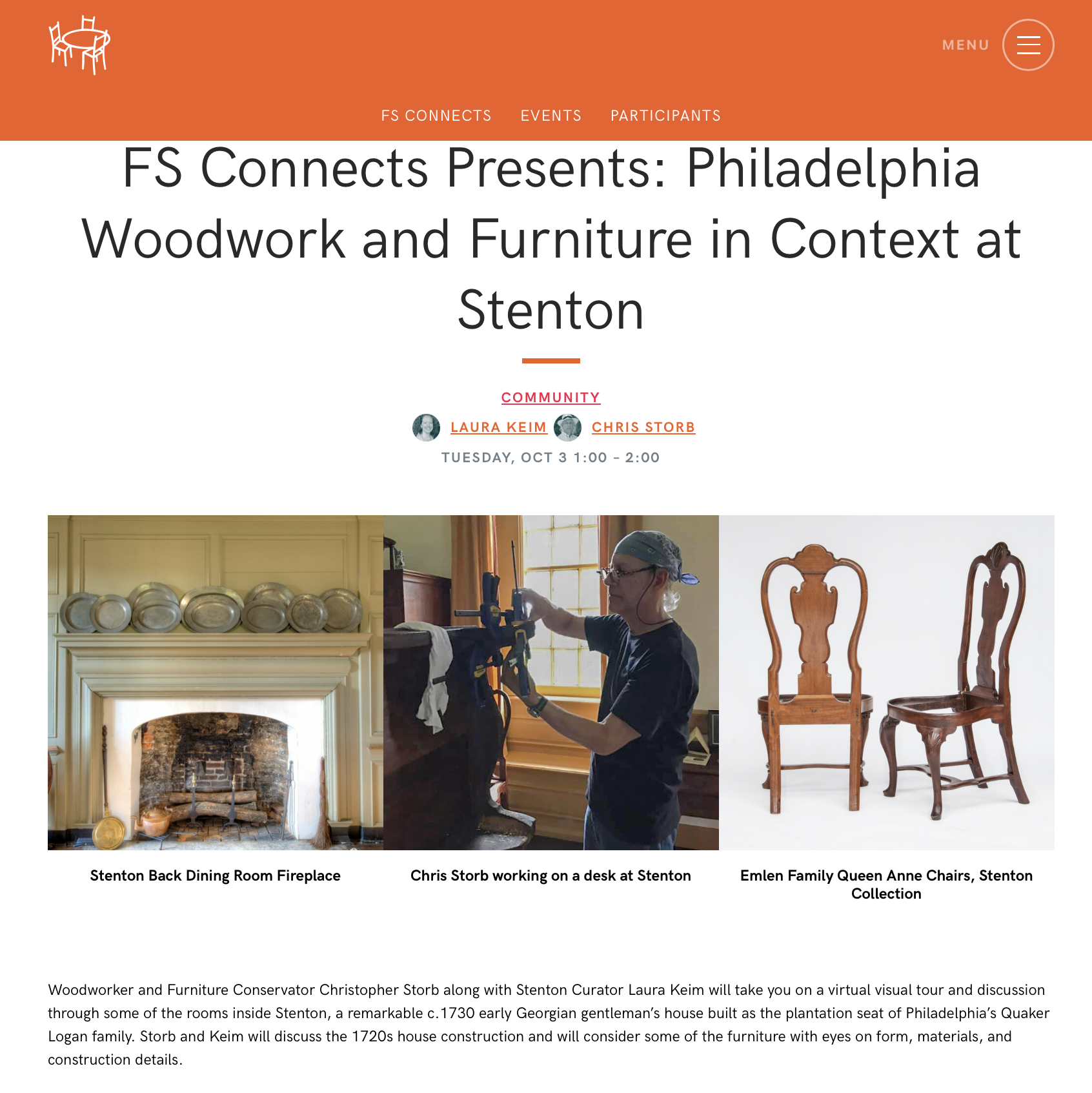
On Tuesday, October 3rd at 1:00 Stenton curator Laura Keim and I will be leading a virtual tour and discussion at Stenton in Germantown, Philadelphia.
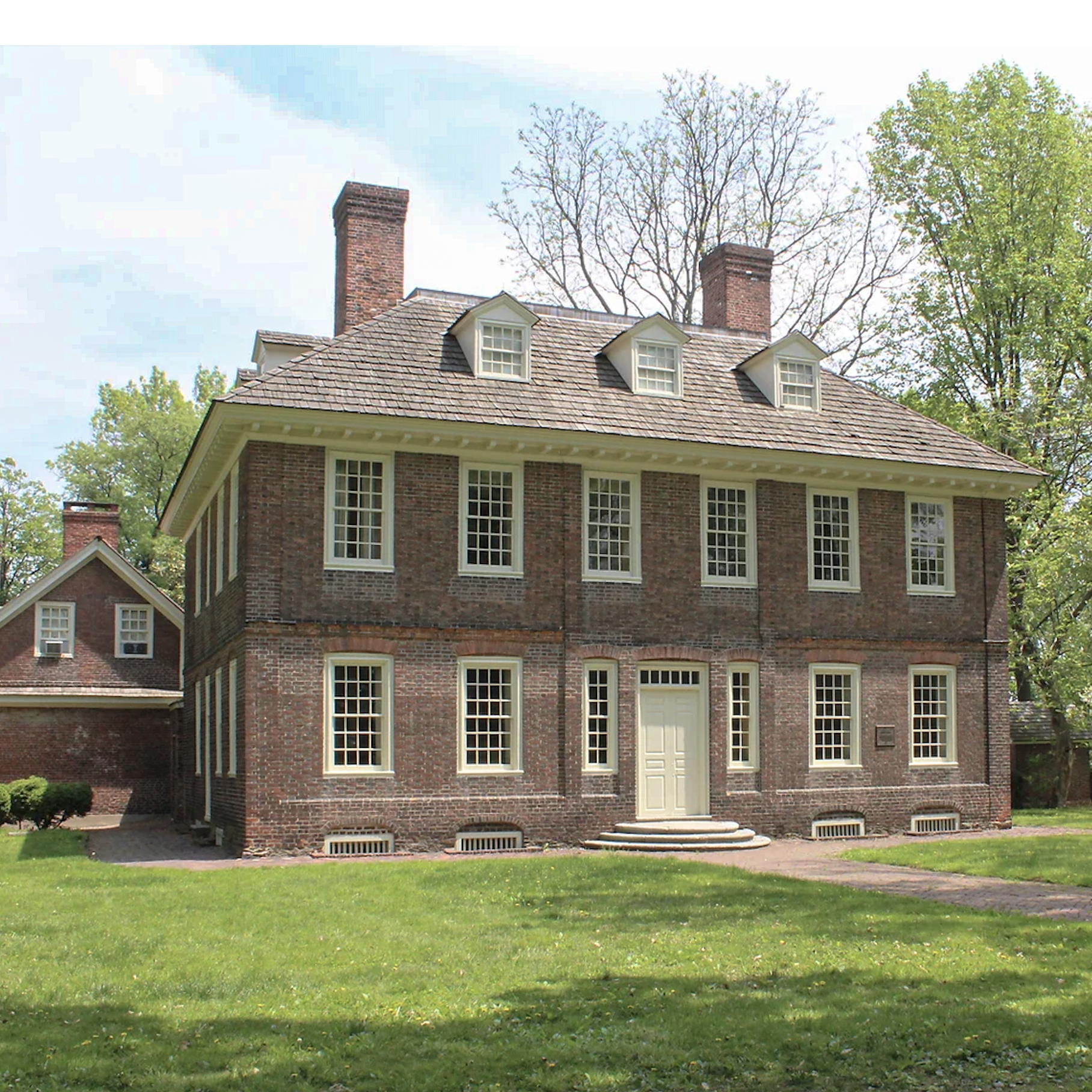
Stenton house, built for James Logan (1674-1751) and his family, was completed in 1730 and has been maintained by the National Society of The Colonial Dames of America in the Commonwealth of Pennsylvania since 1899. Our tour is jointly presented by The Furniture Society and Stenton Museum as part of TFS’s FS Connects series. The event is free and open to all. A link to register can be found by clicking Here. The event will also be recorded for viewing at a later time.
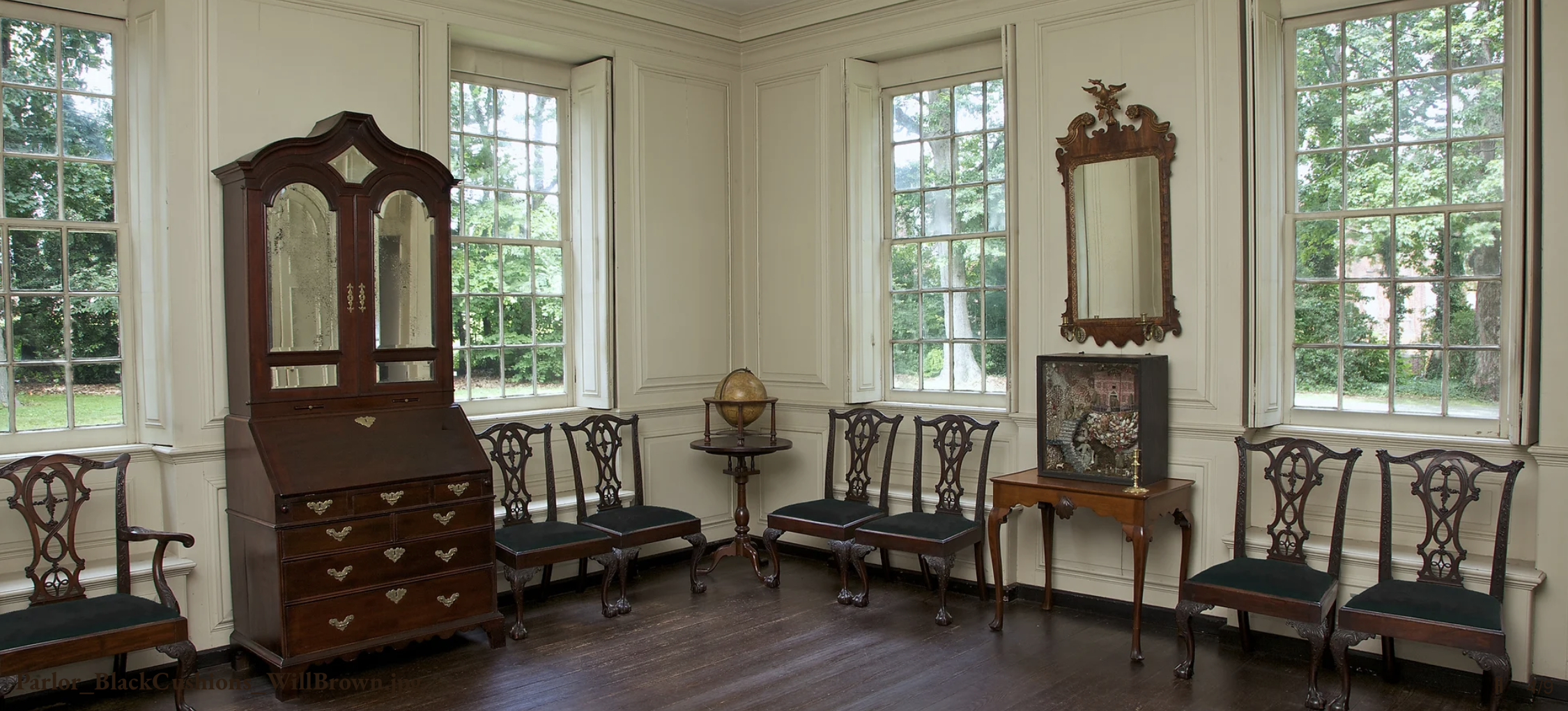
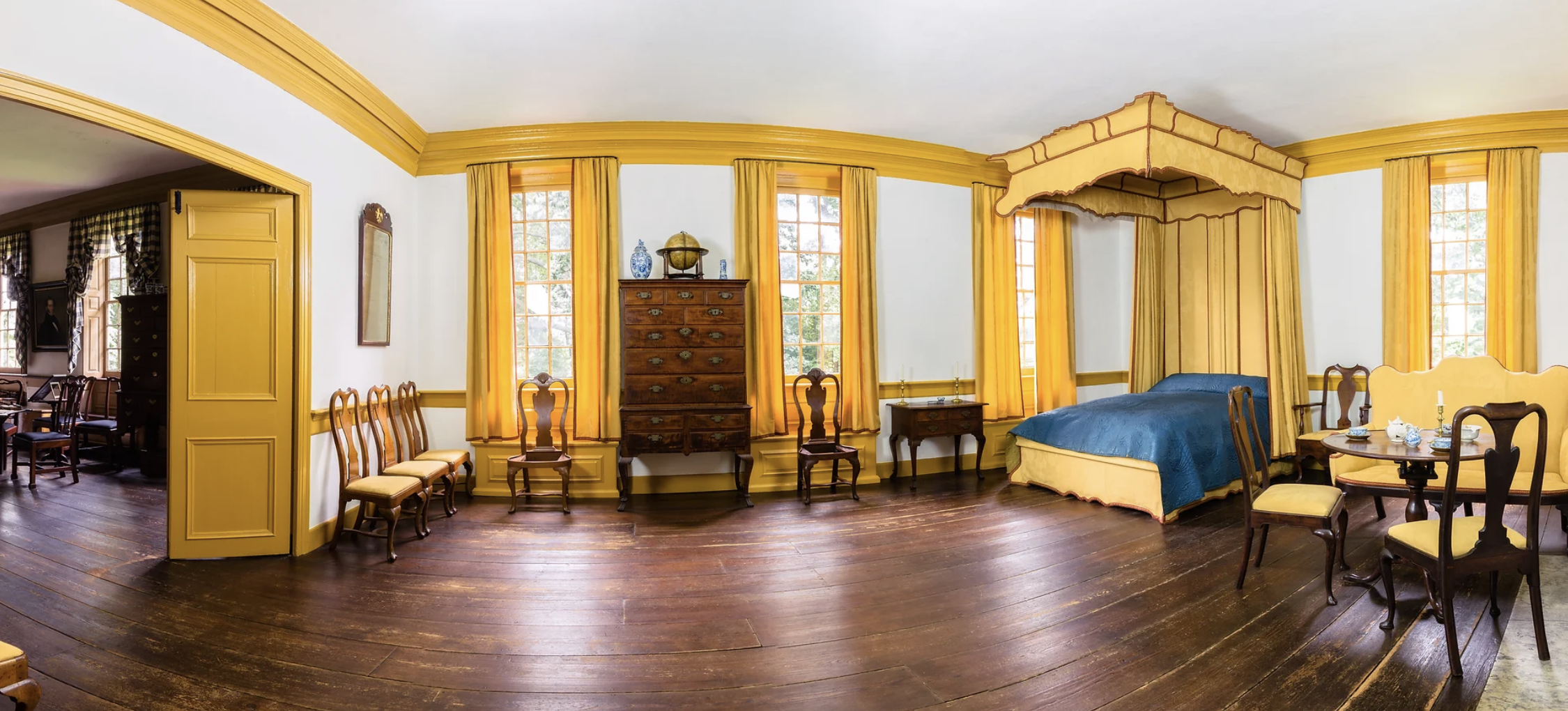
To furnish the house, Stenton Museum has actively sought out objects that have Logan family and Stenton connections. The furnishings consist of objects returned to the house by Logan family descendants, material unearthed during on-site archeological digs, marketplace purchases by the Colonial Dames of America in the Commonwealth of Pennsylvania, and long-term loans, all aided by surviving 18th century probate inventories taken at the time of James and his wife Sarah’s deaths in 1751 and 1754 respectively. This singular attention to a furnishing plan has allowed Stenton Museum to craft a unique and engaging range of interpretive experiences that variously highlights three generations of Logan families who lived at Stenton as well as those working the plantation and running the household including tenant farmers, indentured servants, and enslaved people of African descent.
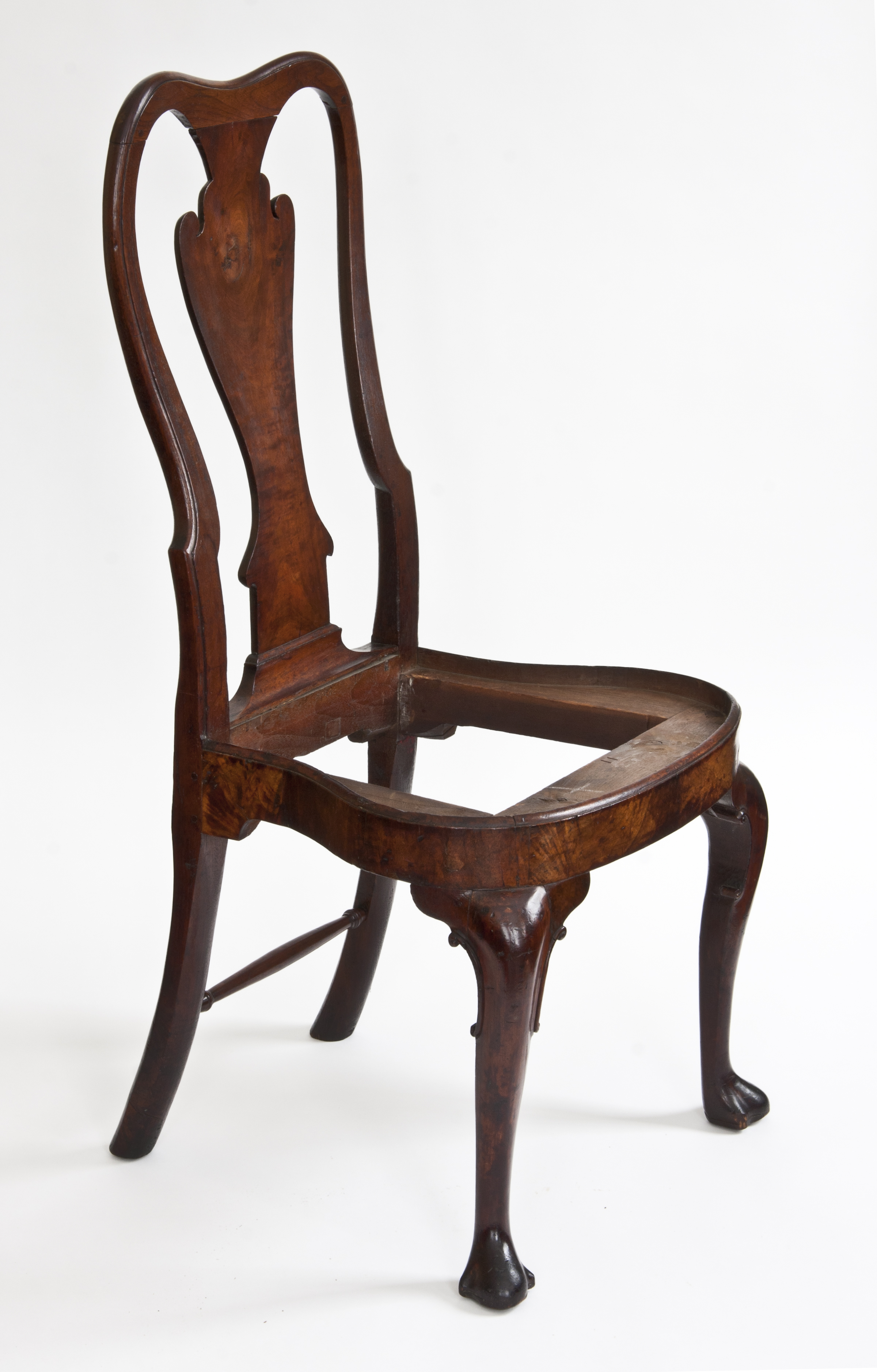
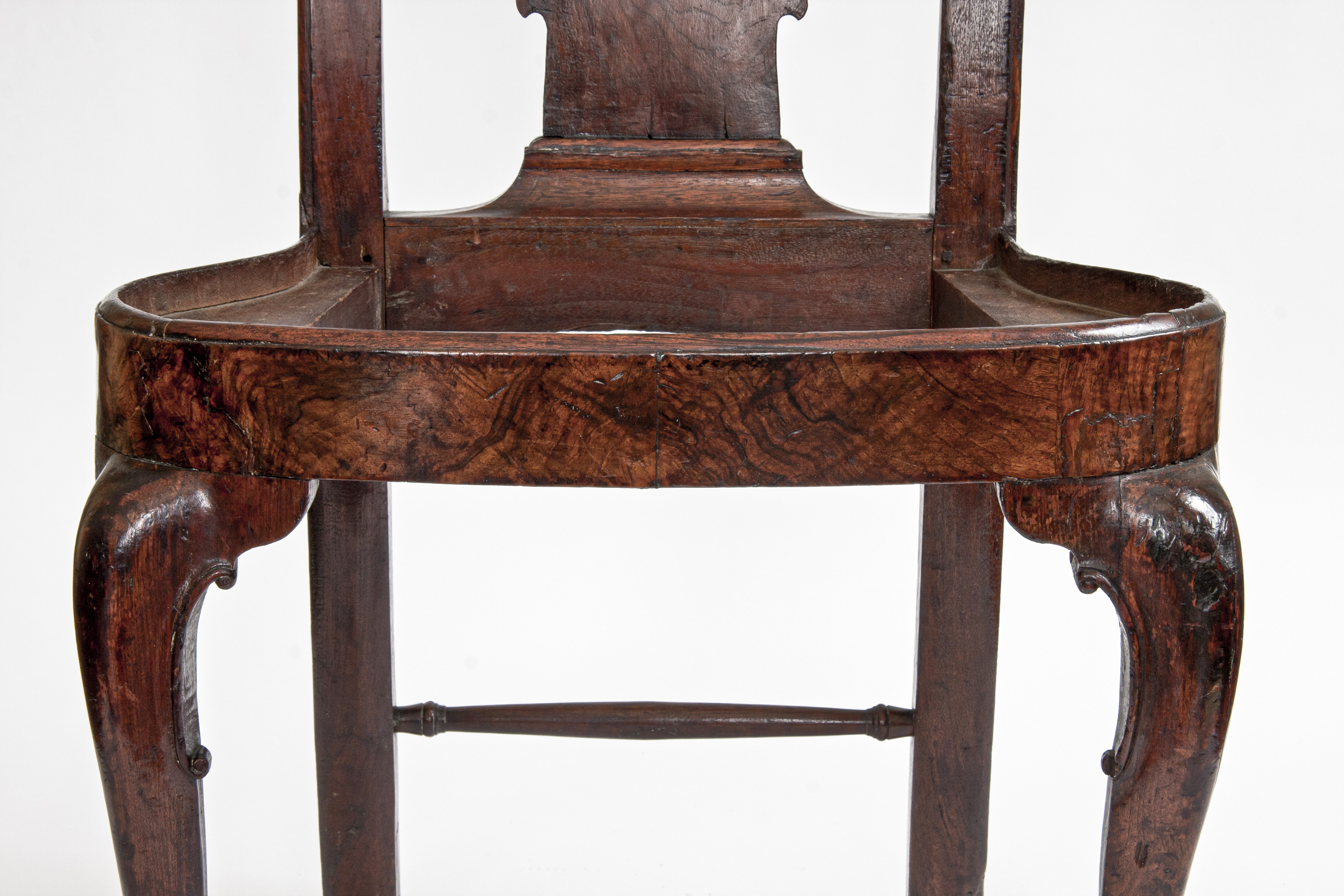
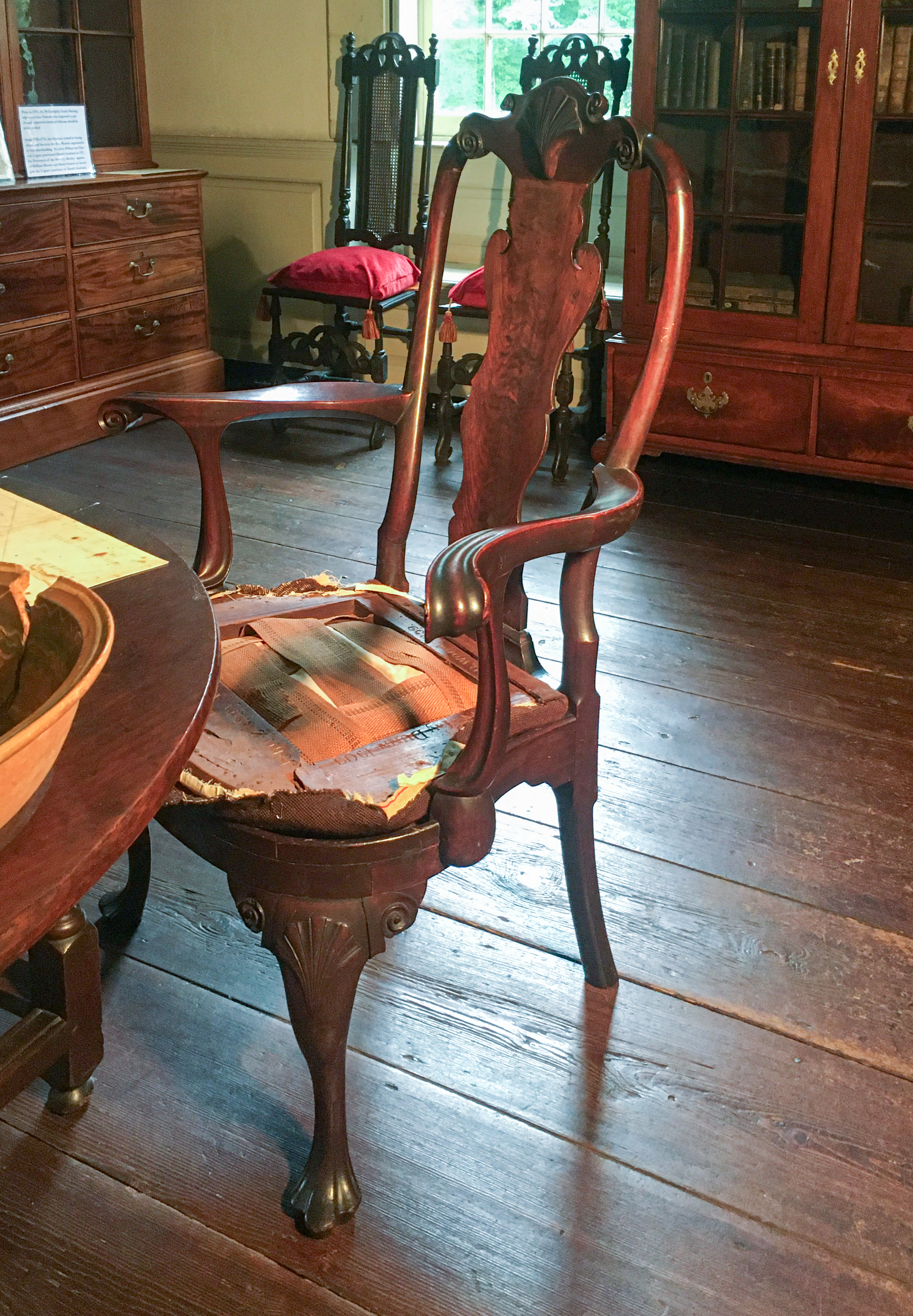
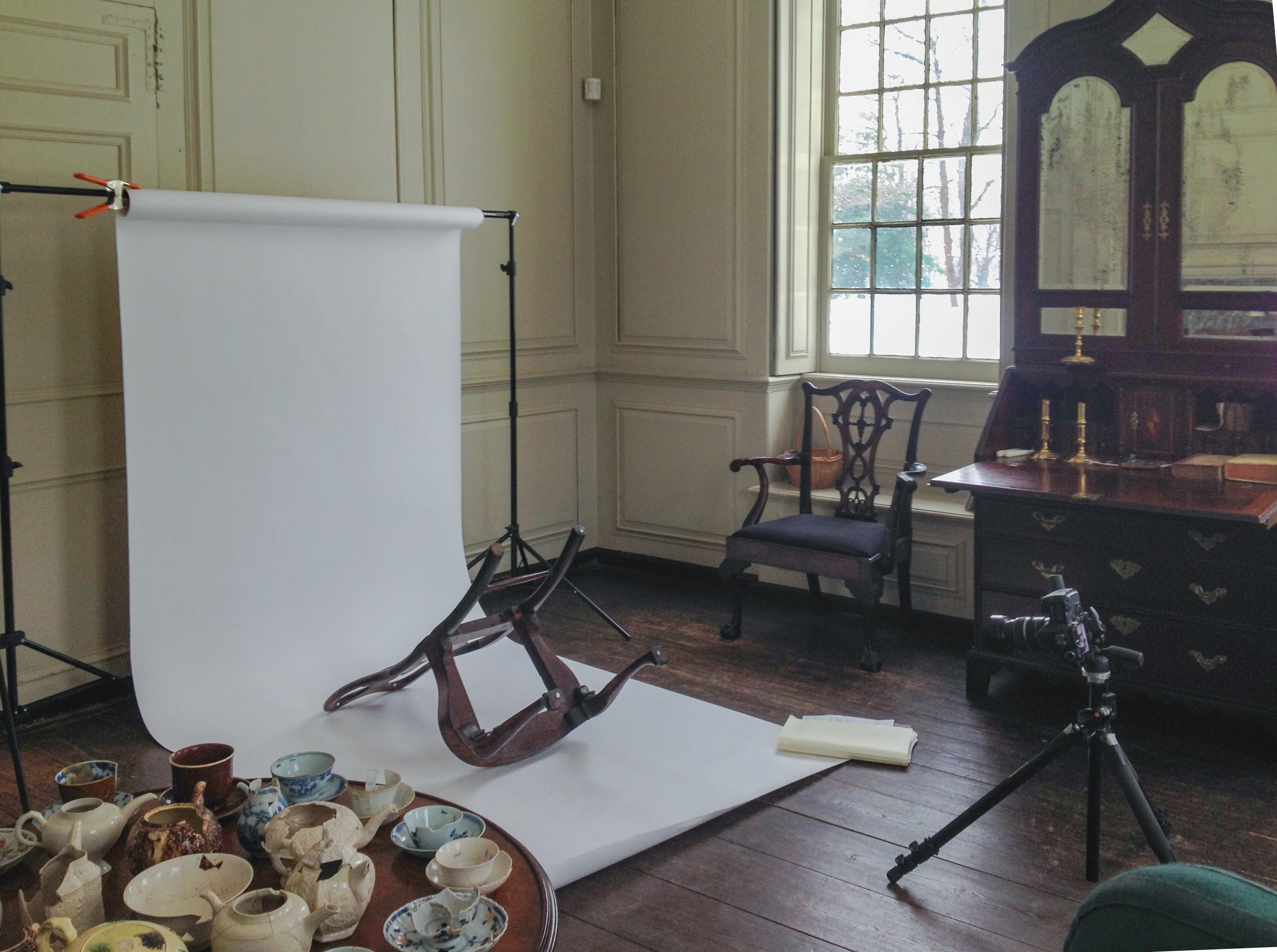
Our tour and discussion will focus attention on an additional way Stenton can be experienced, by highlighting the work of the carpenters who designed and built the main house at Stenton and the joiners and cabinetmakers who crafted the furniture in the rooms with attention paid to form, materials, and construction.
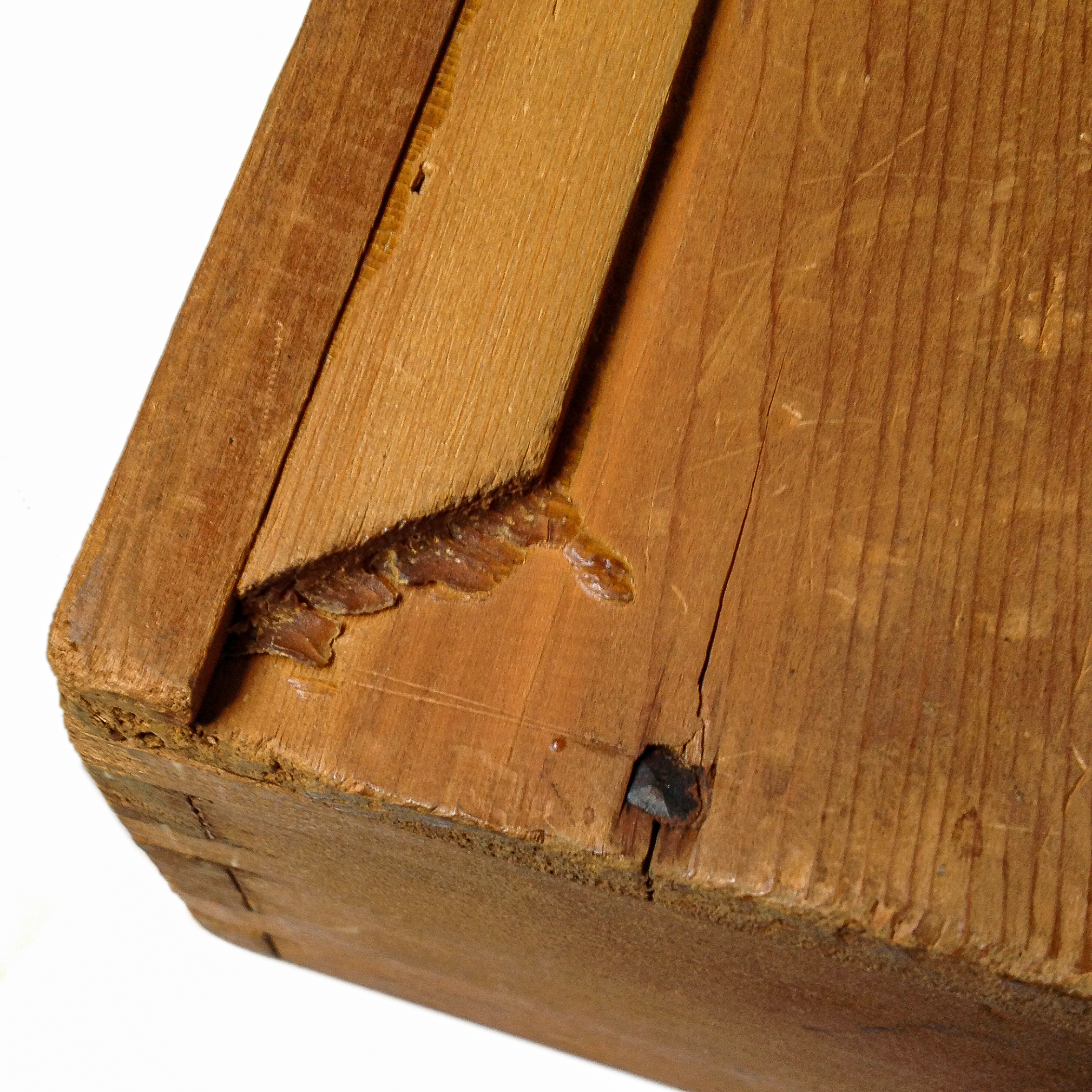
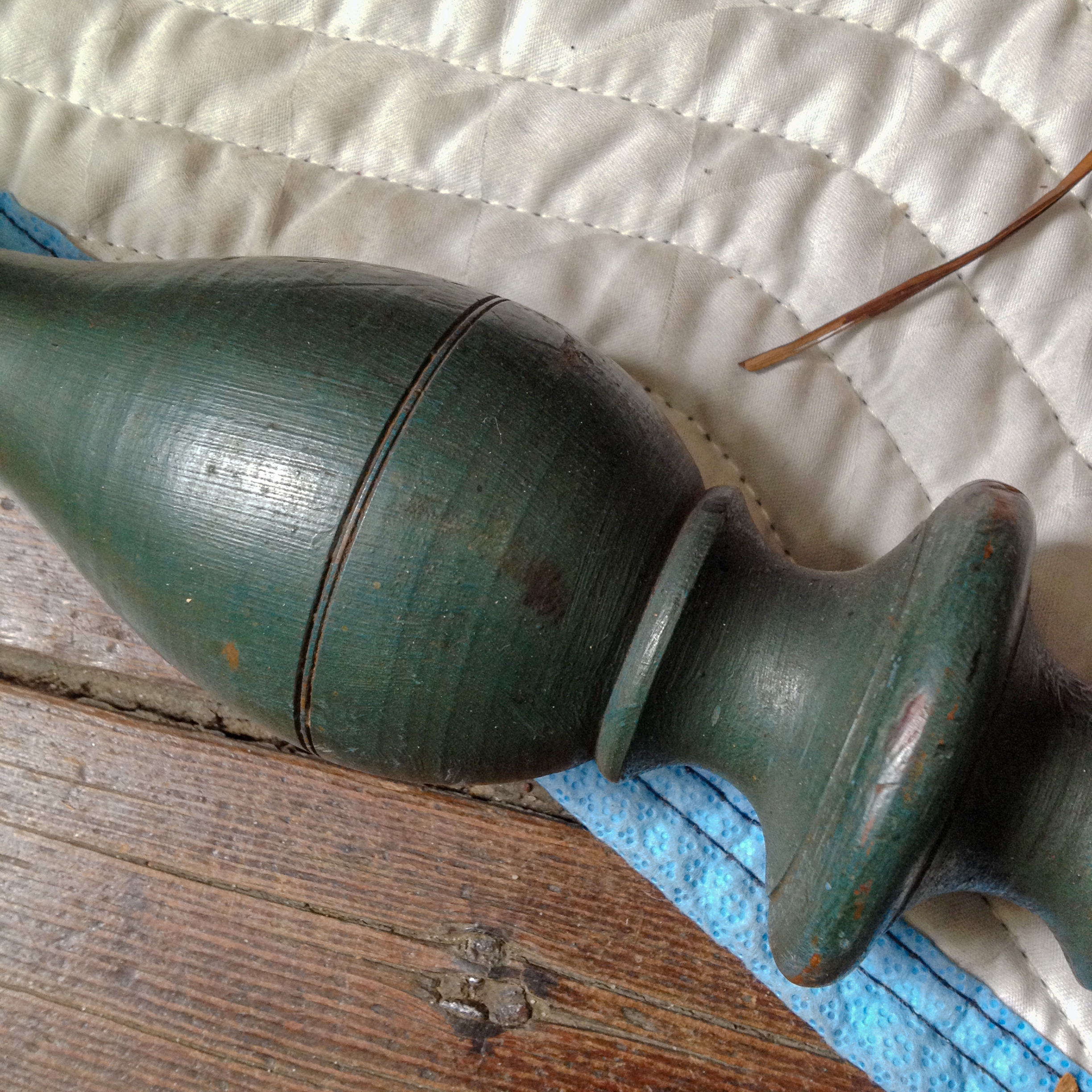
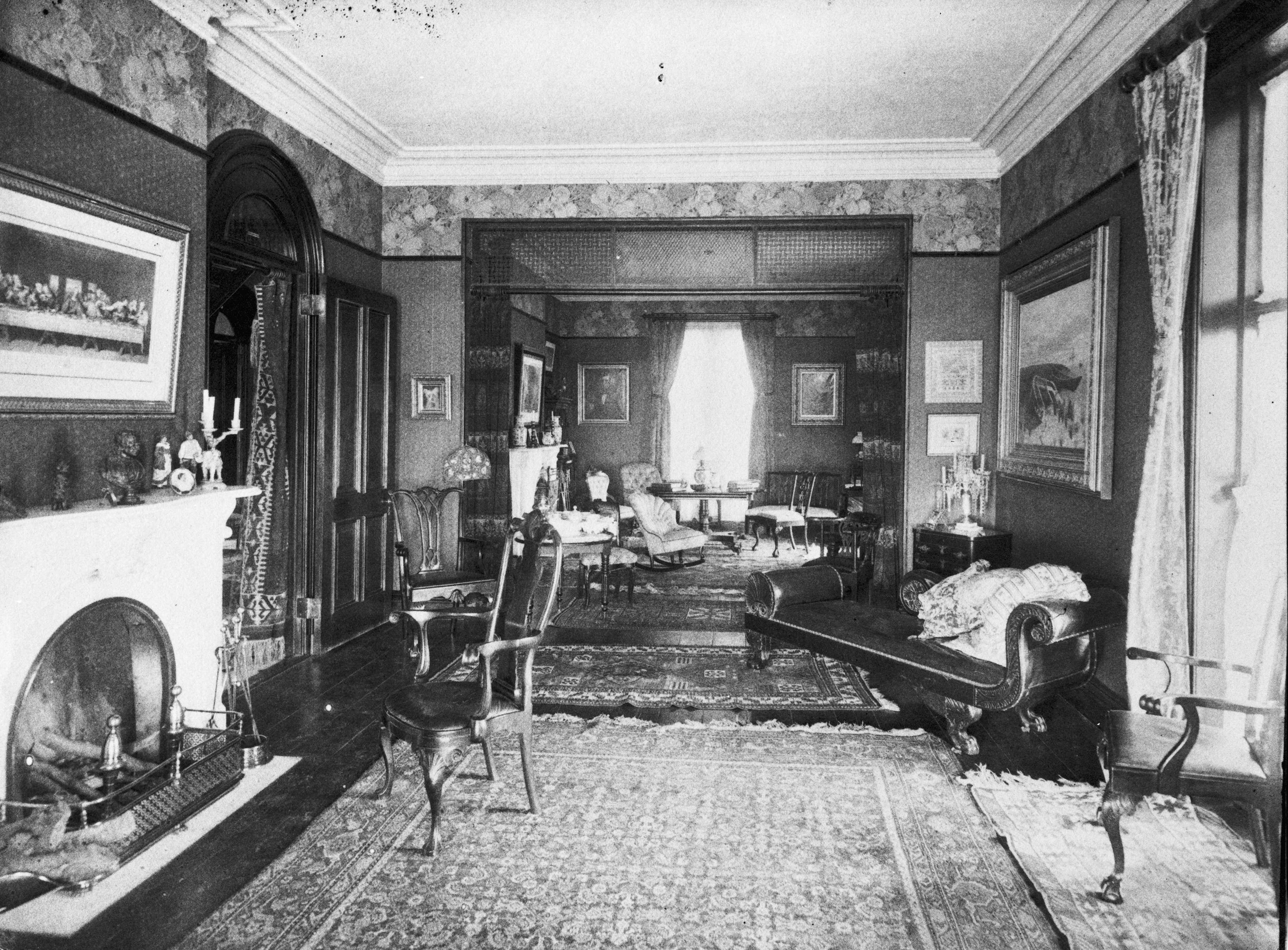
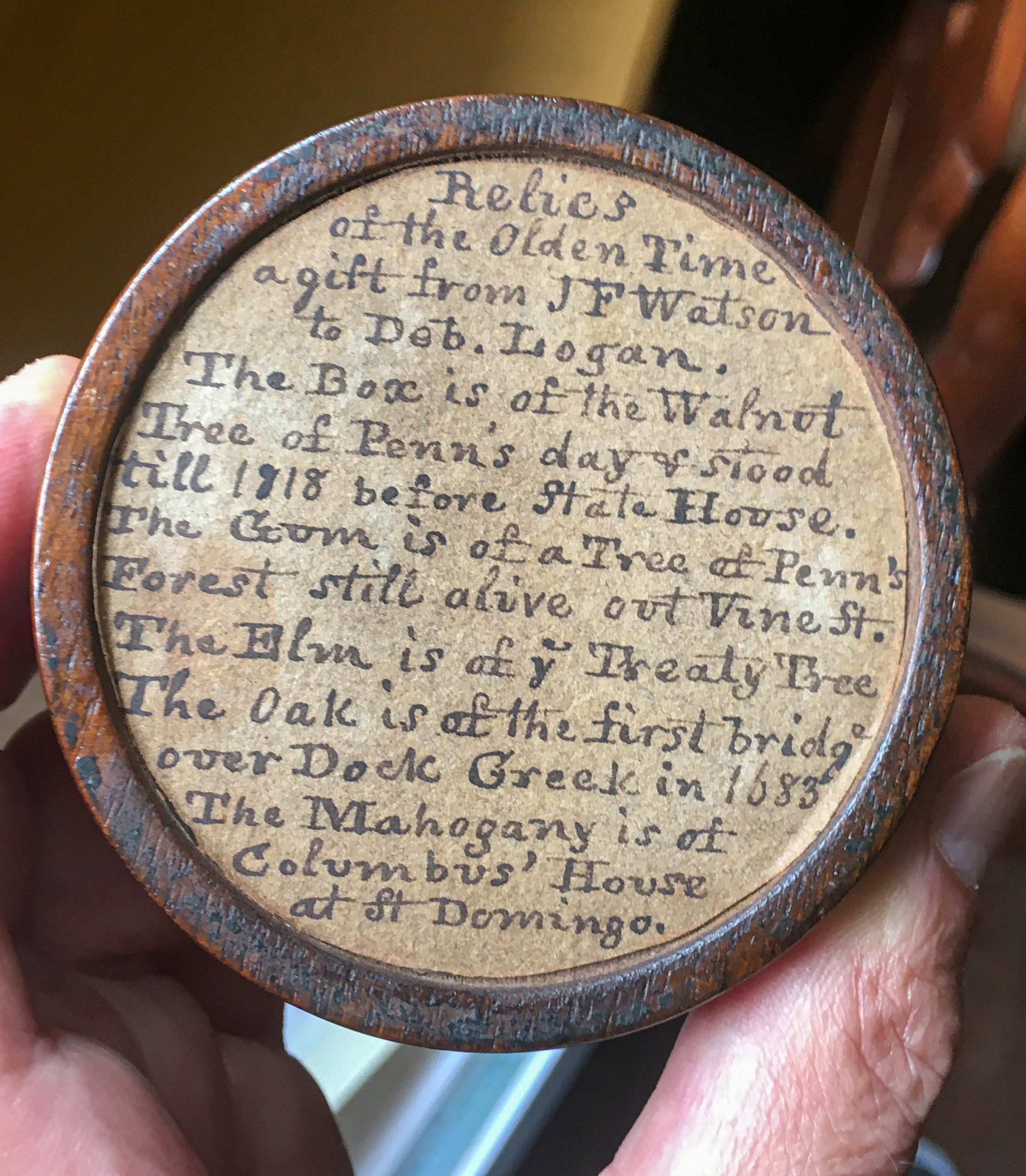
In addition to material in the collection of Stenton Museum and long-term loans there are several recent loans that will illustrate a theme we will be discussing throughout the tour, how historians craft history over time and how this can be understood as a creative endeavor.


 In Proportion to the Trouble
Pingback: A Venerated Armchair, Part 1 | In Proportion to the Trouble